

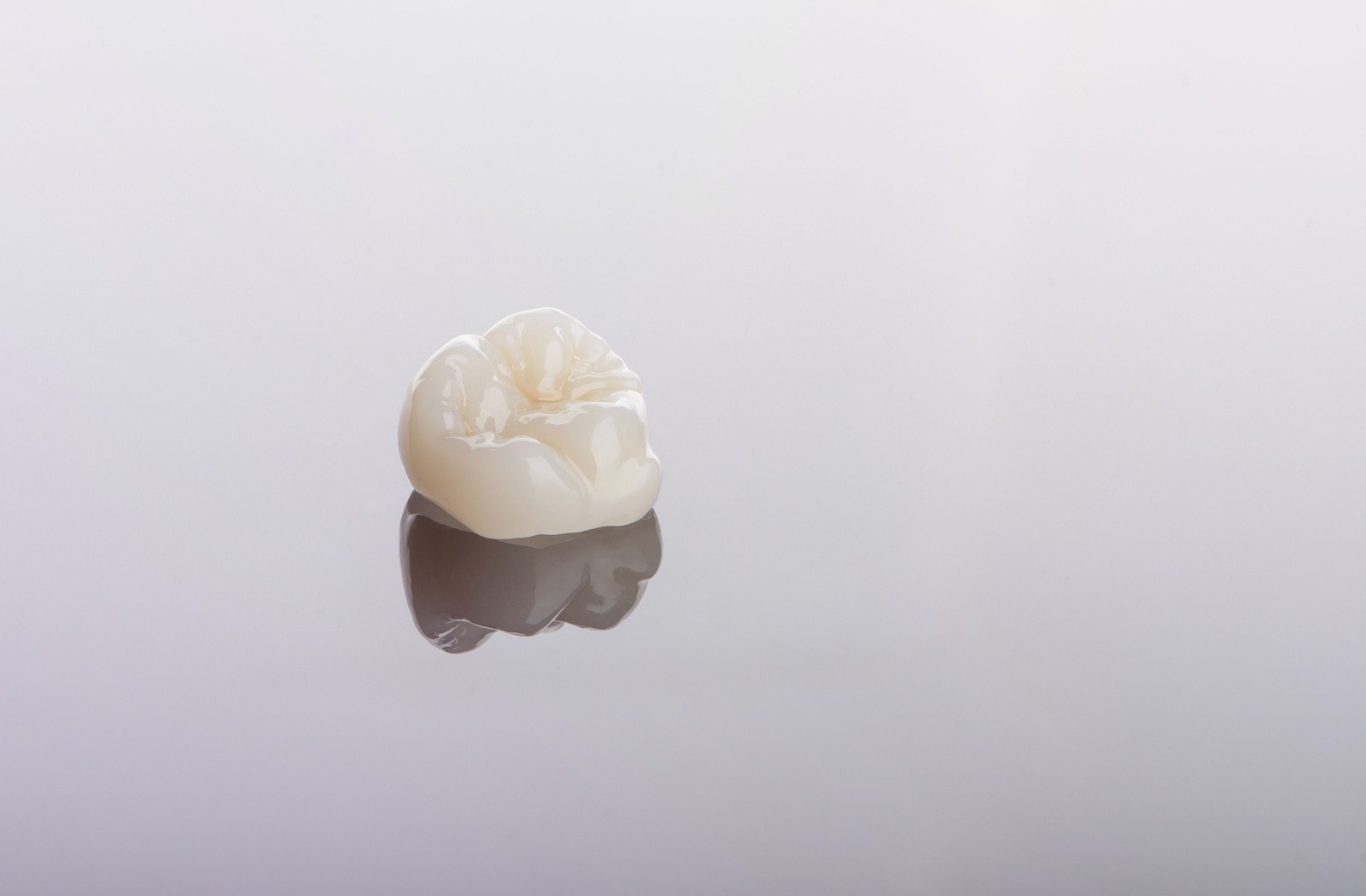
You just received your new dental crown, and now you’re wondering how to properly care for it. Your crown represents a significant investment in your oral health, so you want to make sure it lasts as long as possible while keeping your mouth comfortable and healthy. Vita Dental Wellness understands that proper aftercare is essential for your crown’s success and longevity.
Proper crown aftercare involves gentle care, consistent daily hygiene, smart food choices, protective habits, and regular dental checkups. When you follow these guidelines, your crown can serve you well for many years while maintaining your smile’s function and appearance.
Immediate Care After Crown Placement
First 24 Hours Guidelines
Your mouth needs time to adjust after crown placement, especially while the anesthetic wears off. You can’t feel if you’re biting your cheek or tongue when your mouth is still numb, so wait until feeling returns before eating anything.
Stick to soft foods like yogurt, soup, mashed potatoes, and scrambled eggs during the first day. Your crown area might feel sensitive as the numbness fades, and soft foods put less pressure on the new restoration.
Apply a cold compress to the outside of your cheek for 10-15 minutes if you notice any swelling to help reduce inflammation and make you more comfortable during the initial healing period.
Gentle Oral Hygiene Start
You can brush your teeth gently on the day of crown placement, but use extra care around the new crown. A soft-bristled toothbrush helps you clean effectively without putting too much pressure on the restoration or surrounding gums.
When you floss around your new crown, slide the floss out sideways rather than snapping it upward. This sideways motion protects the crown’s bond to your tooth and prevents accidental loosening of the restoration.
Choose a non-alcoholic mouthwash for rinsing during the first few days. Alcohol-based rinses can sometimes increase sensitivity, and you want your mouth to heal comfortably around the new crown.
Daily Oral Hygiene for Crown Care
Proper Brushing Technique
Brush your teeth twice daily with fluoride toothpaste, treating your crown just like your natural teeth. Fluoride helps protect the tooth structure underneath your crown and keeps your gums healthy around the restoration.
Pay special attention to the gum line where your crown meets your natural tooth. Plaque loves to collect in this area, and thorough cleaning prevents bacteria from causing problems around your crown’s edges.
Use gentle circular motions when brushing around your crown rather than aggressive back-and-forth scrubbing. This technique cleans effectively while protecting both your crown and the surrounding gum tissue from irritation.
Effective Flossing Method
Daily flossing becomes even more important when you have a crown because bacteria can build up between teeth and cause problems. Regular flossing helps keep the area around your crown healthy and prevents gum disease.
Clean carefully between teeth near your crown, making sure to remove any food particles or plaque. Take your time in this area rather than rushing through your flossing routine.
Always remove the floss by pulling it out sideways rather than lifting it straight up to protect your crown’s cement bond and help your restoration last longer.
Foods to Avoid & Crown-Safe Options
Crown-Damaging Foods to Skip
Hard foods like ice cubes, hard candies, and popcorn kernels can crack or chip your crown. Even though crowns are strong, they’re not indestructible, and these foods create concentrated pressure that can damage the restoration.
Sticky treats like taffy, caramel, and gummy candies can pull on your crown and potentially loosen it. These foods grab onto dental work, creating tugging forces that can compromise the crown’s bond.
Avoid extremely hot or cold beverages during the first few weeks after crown placement. Your tooth might be sensitive to temperature changes as it adjusts to the new restoration.
Crown-Friendly Food Choices
Soft vegetables, fish, pasta dishes, and cooked grains are perfect choices for your crowned tooth. These foods provide good nutrition without putting excessive stress on your dental work.
Room temperature drinks and foods feel most comfortable during the adjustment period. You can gradually return to your normal temperature preferences as any sensitivity decreases.
Cut hard fruits like apples into smaller pieces rather than biting into them directly. This lets you enjoy nutritious foods while protecting your crown from unnecessary pressure.
Protect Your Crown from Damage
Break Bad Habits
Stop using your teeth as tools to open packages, bottles, or containers. Your crowned tooth wasn’t designed for these tasks, and using it this way can crack or break the restoration.
Nail biting and pen chewing put repeated pressure on your teeth and crown. These habits can wear down your dental work over time and potentially cause chips or cracks.
Never crack nuts, ice, or other hard objects with your teeth. The force required for these activities can damage your crown and even harm the tooth underneath.
Night Grinding Protection
If you grind or clench your teeth at night, wear a custom night guard to protect your crown. Grinding creates tremendous pressure that can damage dental work while you sleep.
Talk to your dentist about any jaw soreness or morning headaches you experience. These symptoms often indicate teeth grinding that could harm your crown and other dental work.
A night guard distributes pressure evenly and protects your crown from the excessive forces generated by grinding. This simple device can significantly extend your crown’s lifespan.
Regular Dental Visits & Warning Signs
Schedule Follow-Up Appointments
Visit your Chilliwack dentist every six months for routine checkups and cleanings. Regular appointments let the dental team monitor your crown’s condition and catch any problems early.
Professional cleanings around your crown area remove plaque and tartar that you can’t reach with home care. The dental hygienist uses specialized tools and techniques to safely clean around dental restorations.
Regular monitoring helps confirm your crown stays properly fitted, and your gums remain healthy around the restoration. Early detection of any issues makes treatment simpler and less expensive.
When to Contact Your Dentist
Call your dentist right away if your crown feels loose or moves when you touch it with your tongue. A loose crown needs immediate attention to prevent further problems with the tooth underneath.
Contact the dental office if you notice sharp edges or chips on your crown. These problems can irritate your tongue or cheek and may indicate that the crown needs repair or replacement.
Persistent sensitivity lasting more than a few days after crown placement warrants a dental visit. While some initial sensitivity is normal, ongoing discomfort might indicate an issue that needs attention.
Following these aftercare tips helps your dental crown last for years to come. The team at Vita Dental Wellness in Chilliwack is always available to answer your questions about crown care and help you maintain your oral health. Contact them today to schedule your next appointment and keep your smile healthy and strong.
Contact Us
For emergency care outside office hours, Please call the office at (604) 858-5152 for instructions on how to reach our on call dentist.
- P: (604) 858-5152
- F: (604) 858-1728